Recognize Stroke Early. Every Second Counts.
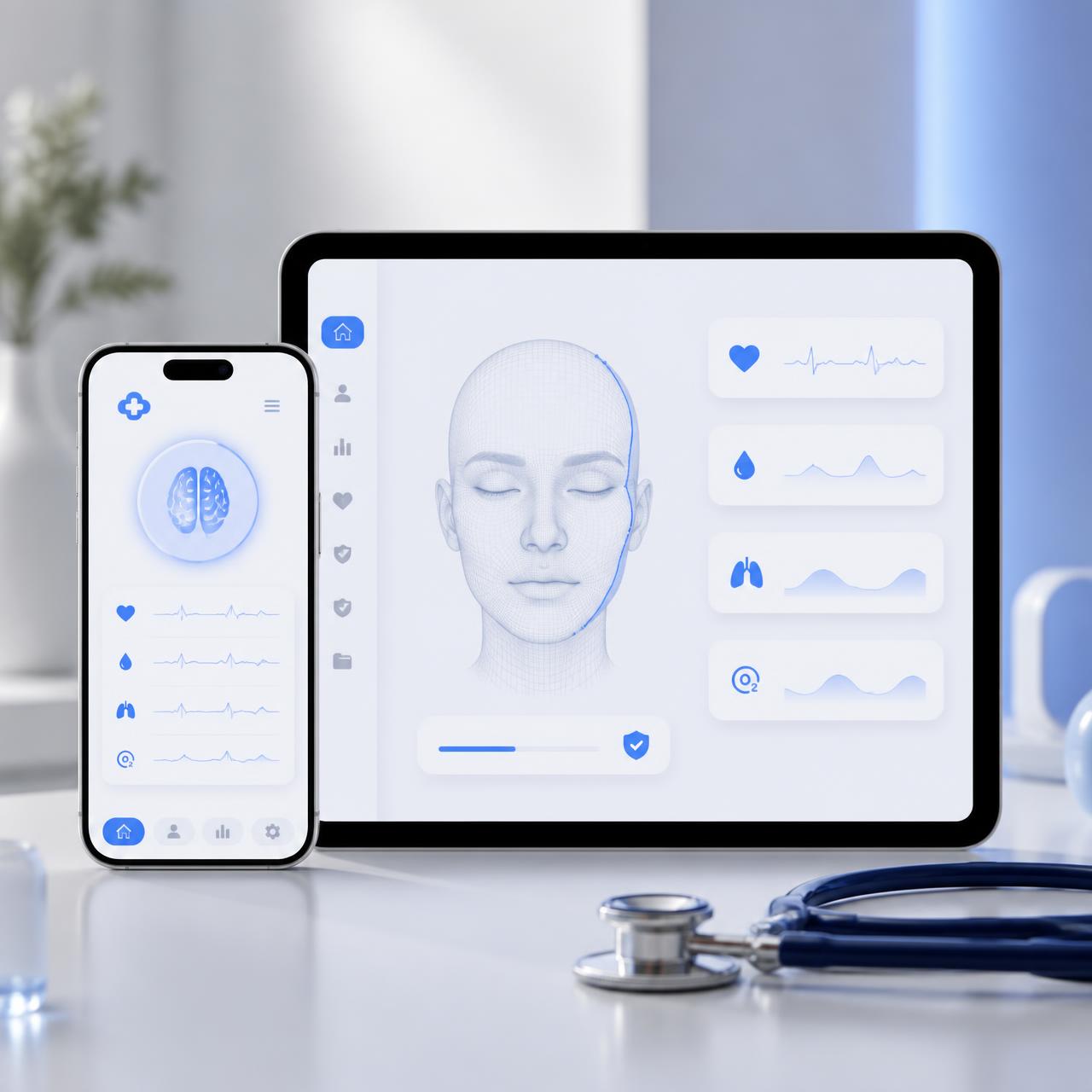
BEFAST AI turns the six clinical stroke signals into a calm, guided assessment anyone can complete in under a minute — and hand straight to a care team.
< 60s
Average assessment
6
Clinical signals
100%
On-device by default
24/7
Always available
Onset time captured
Last known well · 08:14
Six signals that decide the outcome
BEFAST is the clinical framework used worldwide to recognize stroke. BEFAST AI makes each signal unmissable — structured, sequenced and impossible to skip.
Built like a clinical instrument
Every feature exists to remove hesitation from the first critical minutes.
From first suspicion to care team, in four steps
Start the scan
Open BEFAST AI and begin a guided assessment in a single tap — no account required.
Follow six checks
Balance, eyes, face, arms, speech and time. Clear prompts, plain language, under a minute.
Get a clear result
An unambiguous recommendation with the emergency number surfaced when signs are present.
Share with care teams
Send the structured summary to responders so treatment decisions start earlier.
Confidence when it matters most
Designed with neurologists and emergency teams to make the right action the obvious one.
- Reduces hesitation in the first critical minutes
- Plain-language guidance for non-clinical caregivers
- Consistent, repeatable assessment structure
- Works offline in low-connectivity settings
- Accessible design meeting WCAG AA contrast
- Zero-account, privacy-first onboarding
Illustrative of published stroke care guidance.
Trusted by the people who arrive first
“The structure is exactly what bystanders lack. A clear sequence beats intuition when minutes decide outcomes.”
Dr. Amina Diallo
Neurologist, Stroke Unit
“The pre-hospital summary is genuinely useful. We arrive already knowing onset time and observed deficits.”
Marc Feldman
Paramedic Team Lead
“It feels like a consumer health product but reads like a clinical instrument. That balance is rare.”
Dr. Sofia Rentería
Emergency Medicine Physician
Questions, answered
Still unsure about something? Our clinical team is one message away.
Every second counts. Start in one tap.
Run a guided BEFAST assessment now, or explore how the platform supports your care team.